The aviation industry is undergoing a fundamental technological transformation. Electrification, software, and new aircraft designs are playing an increasingly important role.
At the same time, aviation companies are looking for ways to make flying more efficient, affordable, and sustainable. As a result, innovation is moving from ambition toward practical application.
For JetShared, this development is particularly relevant. Technology is not only changing aircraft, but also how people use available capacity.
Electric Aviation Is Moving Closer to Reality
For many years, electric aviation was mainly viewed as a concept for the distant future. Today, however, increasingly large electric aircraft are actually being tested.
One recent example comes from aircraft developer Heart Aerospace. The company develops technology for electric and hybrid regional aviation.
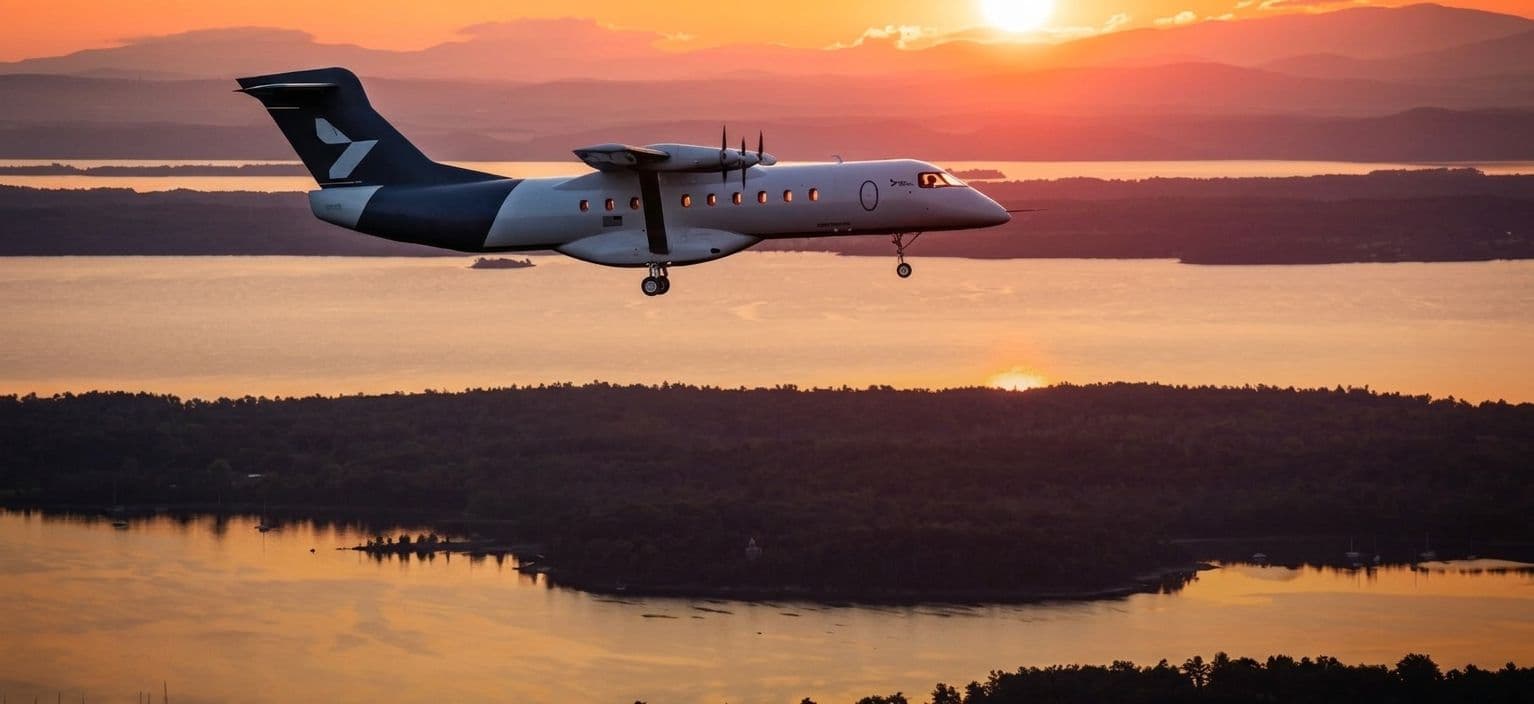
In August 2026, Heart Aerospace’s electric X1 demonstrator completed its first flight. The test flight lasted 27 minutes.
This marked another important technical milestone for electric propulsion. Moreover, the technology was tested at a scale relevant to commercial aviation.
However, this development does not mean traditional aircraft will disappear anytime soon. Certification, infrastructure, and battery technology remain significant challenges.
For that reason, a gradual transition appears more realistic. Hybrid systems could play an important role in bridging that gap.
Hybrid Aircraft Could Transform Regional Aviation
Heart Aerospace is currently developing the ES-30, a hybrid-electric regional aircraft designed for up to 30 passengers.
According to its current specifications, the aircraft is expected to offer an all-electric range of approximately 200 kilometres. Its hybrid range could reach approximately 800 kilometres.
Heart Aerospace is specifically targeting regional connections. This segment aligns well with the current possibilities of electric propulsion.
The company also expects electrification and simplified aircraft systems to reduce certain operating costs. Heart Aerospace currently aims for certification around 2031.
Naturally, these figures remain manufacturer targets. Nevertheless, they clearly illustrate the direction in which the aviation industry is moving.
Innovation Is About More Than Sustainability
Sustainability receives considerable attention within new aviation technology. However, reducing operational costs is equally important.
Fuel represents a significant expense for conventional aviation operators. In addition, complex engines require substantial maintenance.
Electric propulsion could change parts of that cost structure. At the same time, modern software platforms can improve maintenance and operational planning.
Heart Aerospace identifies electrification, software, and modern manufacturing as important elements of its development strategy.
This reflects a broader movement within aviation innovation. No single technology will transform the industry independently.
Instead, several innovations are beginning to reinforce each other.
Using Existing Capacity More Efficiently Is Also Innovation
New aircraft represent only one part of aviation’s transformation. Existing aircraft capacity can also be used much more intelligently.
A private aircraft may depart while several seats remain available. As a result, valuable capacity is not always fully utilised.
Digital platforms can connect demand with available capacity more efficiently. Travellers can then organise routes and share costs more effectively.
This principle is also central to JetShared. The platform focuses on connecting people around shared private flights.
That creates another form of innovation. The aircraft itself does not change, but the way people use it does.
Furthermore, new technologies and new usage models can strengthen each other. Lower operating costs could make new routes economically more attractive.
At the same time, higher aircraft occupancy can further improve costs per passenger.
Regional Airports Could Become More Important
New aircraft technology may also influence the role of regional airports. Smaller airports are often located closer to travellers' final destinations.
Therefore, regional connections could become more attractive when smaller aircraft can operate more economically.
Heart Aerospace positions electric aviation strongly around regional travel. The company views smaller airports as an important part of future aviation networks.
For travellers, this could eventually create new possibilities. Reducing dependence on major hubs could save significant travel time.
Furthermore, this development aligns with the broader movement toward point-to-point travel. Private aviation already operates largely according to this principle.
Software Is Changing the Way We Fly
Beyond aircraft technology, digitalisation is also accelerating change throughout aviation.
Platforms can connect travellers with routes, operators, and other passengers more efficiently. Digital systems can also make travel demand visible much earlier.
This creates new opportunities for demand-driven aviation.
A route does not always need to originate from a traditional scheduled service. Instead, demand can first emerge within a network.
Available aircraft capacity can then respond to that demand.
This represents an important shift because aviation has historically been strongly supply-driven. Digital technology makes a more dynamic model possible.
The Future of Aviation Will Combine Multiple Innovations
There will probably not be one single technology that transforms the entire aviation industry.
Electrification could make regional flights more efficient. Sustainable Aviation Fuel can support existing aircraft in parallel.
Hybrid systems may enable longer routes. Meanwhile, digital platforms can help make better use of existing capacity.
It is precisely the combination of these developments that makes the coming years so interesting.
Heart Aerospace demonstrates how quickly aircraft technology is evolving. JetShared approaches the same fundamental challenge from another perspective.
How can available aviation capacity be used more intelligently?
Innovation in aviation is therefore not only about developing new aircraft. It is also about creating new economic models and digital networks.
Ultimately, meaningful progress will come from combining technology, efficiency, and accessibility.
The future of aviation may therefore not simply be about flying farther.
It will increasingly be about flying smarter.
Heart Aerospace and the ES-30 are mentioned solely as independent, publicly available examples of technological developments within the aviation industry. JetShared is not affiliated with, sponsored by, or connected to Heart Aerospace.